
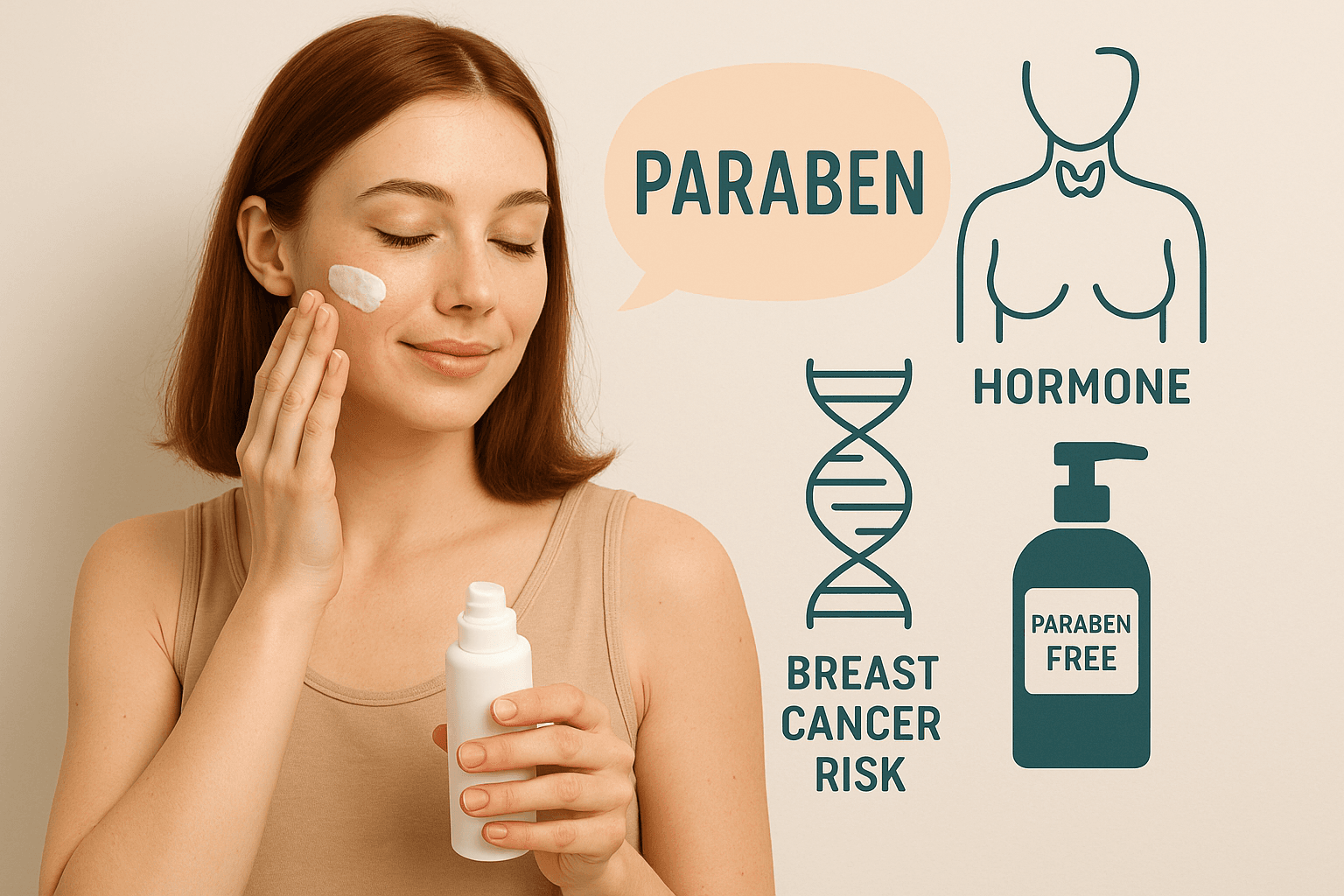
Why Parabens-Free Matters: What Parabens Are, Why They’re Used, and How to Avoid Them
Parabens are one of the most common preservatives in personal care products—but they come with growing health concerns. Learn what they are, why they're harmful, and how to shop safer.
What Are Parabens?
Parabens are a group of synthetic preservatives used to prevent the growth of bacteria, mold, and yeast in personal care products. Common types include methylparaben, propylparaben, butylparaben, and ethylparaben. You’ll often find them in items like shampoo, lotion, makeup, deodorant, and even toothpaste FDA.
Why Are Parabens Used?
They extend shelf life and keep products fresh by preventing microbial growth. Parabens are popular because they’re cheap and effective across a wide range of formulas.
Why Are Parabens Harmful?
Parabens are known endocrine disruptors—they can mimic estrogen in the body, potentially interfering with hormone function. Research has linked them to several health concerns:
- Hormonal imbalances and reproductive issues PubMed
- Increased risk of breast cancer NIH Study
- Possible developmental and fertility issues EHP Journal
Studies have found parabens in breast tissue, urine, and even umbilical cord blood, raising concerns about long-term exposure—even at low doses.
How Can You Avoid Parabens?
Here’s how to steer clear of them:
- Read ingredient labels carefully—avoid anything ending in “-paraben.”
- Look for “parabens-free” on personal care and cosmetic packaging.
- Shop brands that disclose full ingredient lists and commit to clean formulations.
- Use resources like the EWG’s Skin Deep Database to vet your products.
Is “Parabens-Free” Always Better?
Not all preservatives are bad—products still need to be safe and stable. Look for safer alternatives like potassium sorbate, sodium benzoate, or phenoxyethanol. A good brand will use effective preservatives that don’t disrupt your hormones or raise red flags.
Learn more about other ingredients to avoid in our guide to Endocrine Disruptors.
Sign in to vote on this article