
What Does Biodegradable Mean? Your Guide to Eco-Friendly Products
Biodegradable products break down naturally, reducing waste and environmental harm. Learn what biodegradable means, why it’s used, and how to choose authentic eco-friendly options.
What Does Biodegradable Mean? Your Guide to Eco-Friendly Products
Ever wonder what “biodegradable” really means when you see it on a product label? It’s more than just a buzzword—it’s a promise of sustainability. Let’s break down what biodegradable products are, why they’re used, and how you can ensure you’re choosing truly eco-friendly options.
What Does Biodegradable Mean?
Biodegradable refers to materials that can naturally break down into harmless substances through the action of microorganisms like bacteria or fungi. Unlike traditional plastics, which can take centuries to decompose, biodegradable products turn into water, carbon dioxide, and organic matter within months or years, depending on conditions EPA.
Why Are Biodegradable Materials Used?
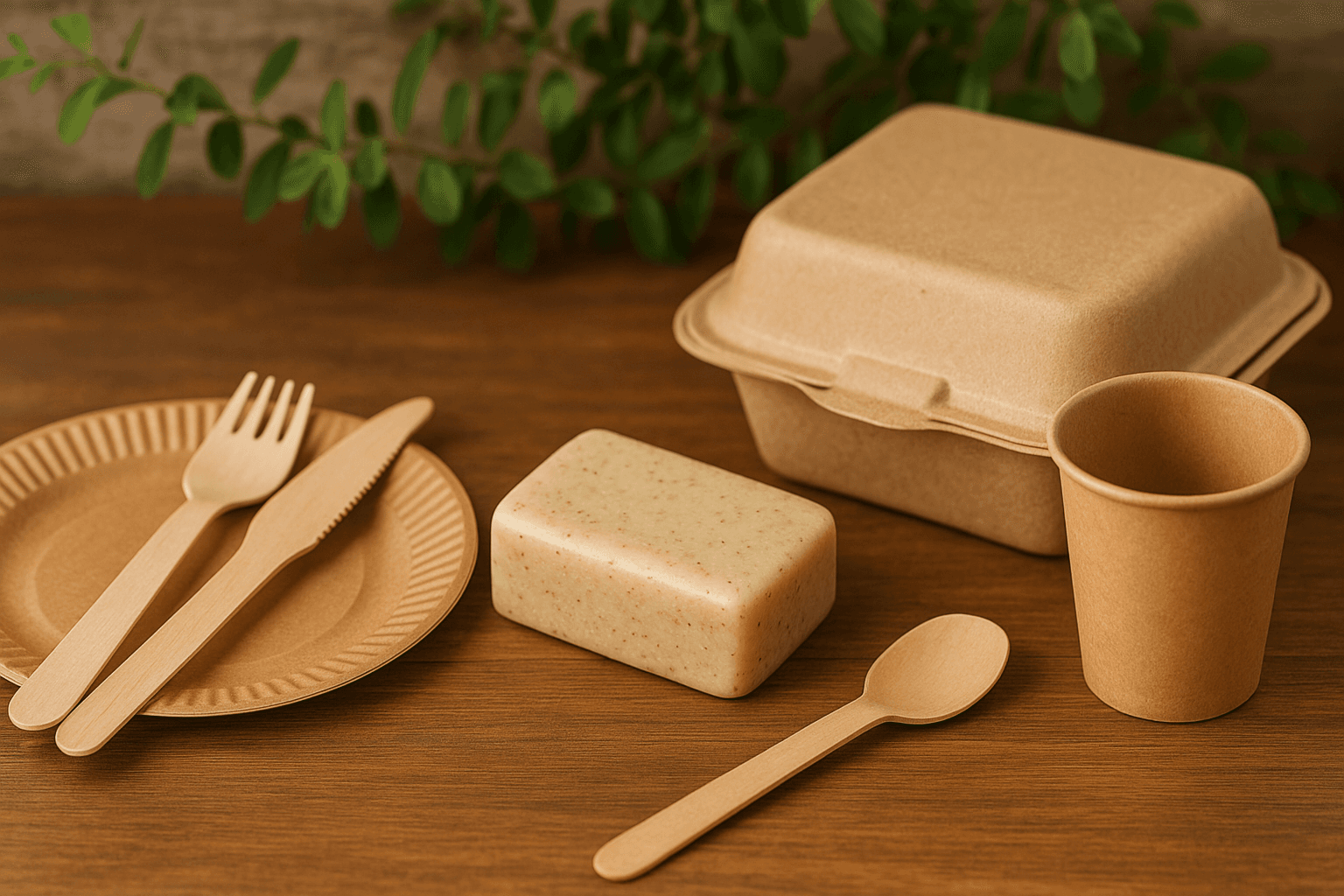
Manufacturers use biodegradable materials to reduce environmental impact. These materials are often derived from renewable sources like corn, sugarcane, or bamboo, making them a greener alternative to petroleum-based plastics. They’re found in everything from packaging and utensils to personal care products like shampoo bars and toothbrushes. Biodegradable products help cut down on landfill waste and pollution, aligning with growing consumer demand for sustainability.
Why Is Biodegradable Healthier and Better for the Planet?
Biodegradable products benefit both your health and the environment:
- Reduced Pollution: They break down without releasing toxic chemicals, unlike conventional plastics that can leach harmful substances PubMed.
- Lower Carbon Footprint: Many biodegradable materials require less energy to produce and decompose naturally, reducing greenhouse gas emissions Nature.
- Safer for Wildlife: Biodegradable items are less likely to harm marine life or animals when discarded, as they don’t persist in ecosystems.
By choosing biodegradable, you’re supporting a cleaner planet and reducing exposure to potentially harmful chemicals like those found in plastics. Curious about other harmful chemicals? Check out our articles on BPA-Free and Phthalates-Free.
How to Choose Authentic Biodegradable Products
Not all “biodegradable” claims are equal. Here’s how to spot the real deal:
- Look for Certifications: Trusted labels like “Certified Compostable” (BPI or ASTM D6400) or “OK Biodegradable” ensure products meet strict breakdown standards.
- Check Materials: Authentic biodegradable products list specific materials like PLA (polylactic acid), bamboo, or paper rather than vague terms like “eco-friendly.”
- Avoid Greenwashing: Be wary of brands claiming “biodegradable” without third-party verification, as some plastics only break into smaller, non-degradable pieces.
- Compost at Home: If possible, test products in a compost bin to confirm they break down as claimed.
Did You Know? Biodegradable products often need specific conditions, like industrial composting facilities, to break down fully. Check your local waste management options!
Conclusion
Choosing biodegradable products is a simple way to support your health and the planet. By understanding what biodegradable means and verifying claims with certifications, you can make informed choices that reduce waste and pollution. Want to learn more? Explore our guides on Organic and Pesticide-Free products for more eco-friendly tips!
Sign in to vote on this article