
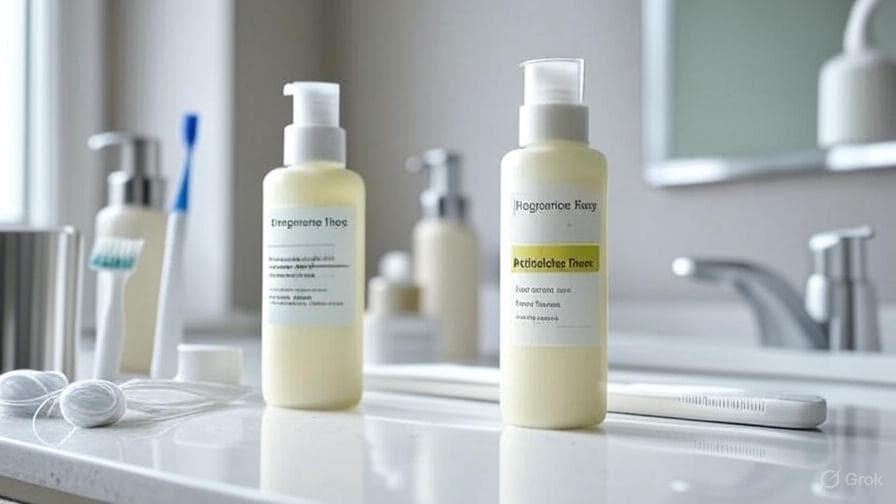
What Does Phthalates-Free Mean? Why It Matters for Your Health
Phthalates are everywhere—from plastic containers to personal care products—but research links them to hormone disruption and reproductive harm. Learn what they are, why they’re harmful, and how to avoid them.
What Are Phthalates?
Phthalates (pronounced "THAL-ates") are a group of chemical compounds used to make plastics more flexible and durable. They're commonly found in vinyl flooring, plastic packaging, personal care products, detergents, and even children’s toys.
Why Are Phthalates Used?
Phthalates are used as plasticizers to soften polyvinyl chloride (PVC). In cosmetics and personal care items, they help dissolve other ingredients and improve texture and fragrance staying power. You'll often find them in products labeled with “fragrance” or perfume.”
Why Are Phthalates Harmful?
Phthalates are classified as endocrine-disrupting chemicals (EDCs), which means they can interfere with the body's hormonal systems. Health risks associated with phthalate exposure include:
- Reduced fertility and reproductive harm in both men and women
- Increased risk of asthma and allergies in children (source)
- Links to developmental issues and behavioral disorders
- Potential associations with breast cancer and obesity
Phthalates enter the body through ingestion, inhalation, or skin contactand can even be detected in blood and urine samples.
How to Avoid Phthalates
- Check labels: Look for phthalates-free” or “no synthetic fragrance.”
- Avoid plastic recycling codes 3 and 7: These may contain phthalates or other hormone disruptors.
- Use fragrance-free products: “Fragrance” can be a catch-all term that hides phthalates.
- Choose glass, stainless steel, or silicone over plastic for food storage.
- Shop from trusted brands that disclose ingredients.
For clean, phthalates-free product recommendations, check out our curated picks on Cleenbeez.
Want to learn more about harmful chemicals to avoid? Explore our other articles like What Does BPA-Free Mean? and What Are Parabens and Why Go Parabens-Free?
Sign in to vote on this article