
What Does Hypoallergenic Mean? A Guide to Gentle Products
Hypoallergenic products are designed to minimize allergic reactions. Learn what hypoallergenic means, why it’s used, and how to choose safe, gentle products for sensitive skin.
What Does Hypoallergenic Mean? A Guide to Gentle Products
Seeing “hypoallergenic” on a product label can feel like a sigh of relief if you have sensitive skin or allergies. But what does it actually mean? Let’s explore what hypoallergenic products are, why they’re used, and how to pick ones that truly protect your skin.
What Does Hypoallergenic Mean?
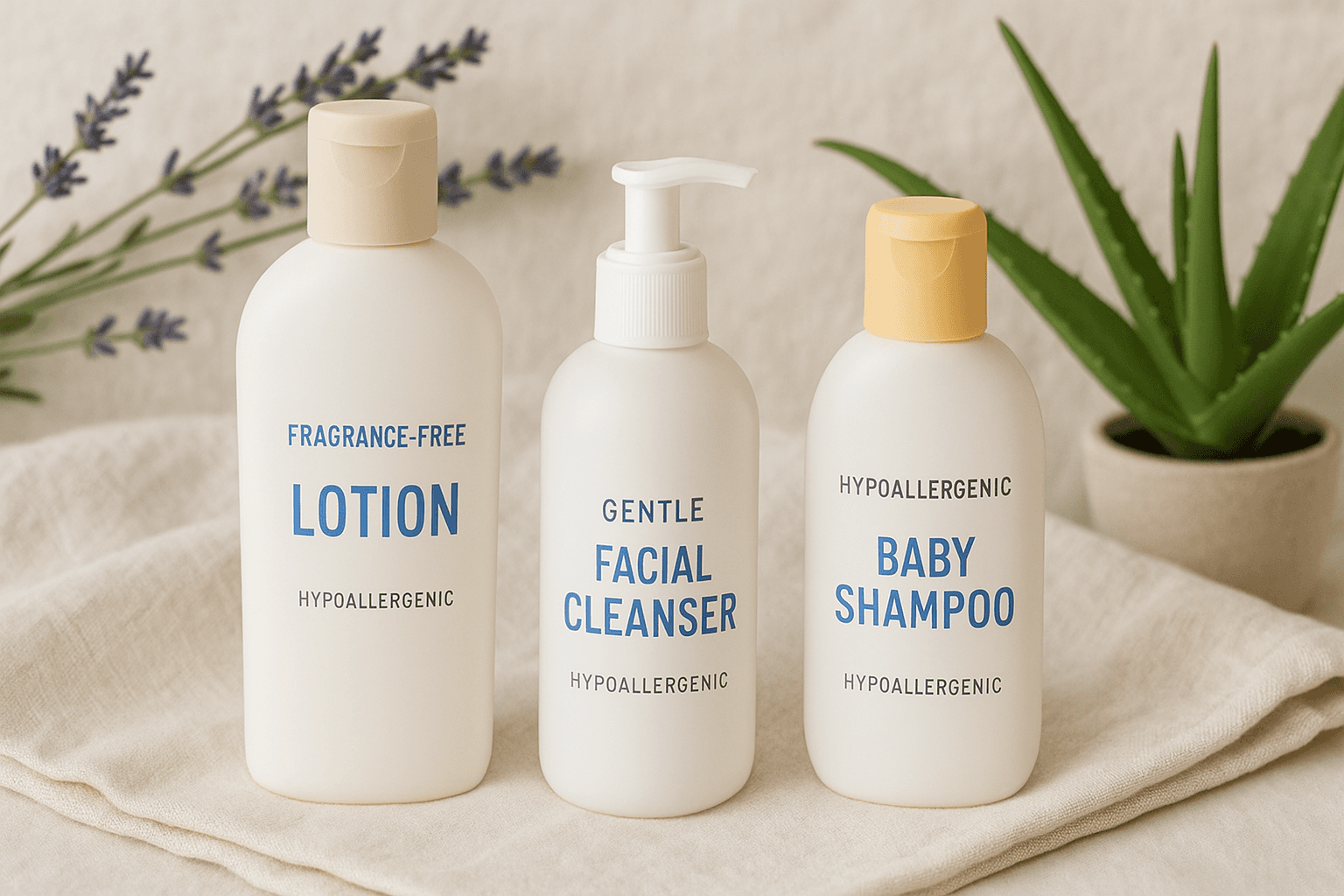
Hypoallergenic products are formulated to reduce the risk of allergic reactions. The term “hypo” means “less,” so these products are less likely to cause irritation or allergies compared to standard formulas. They’re commonly found in skincare, cosmetics, baby products, and even pet care items, avoiding common allergens like fragrances, dyes, or harsh chemicals FDA.
Why Are Hypoallergenic Products Used?
Manufacturers create hypoallergenic products to cater to people with sensitive skin, eczema, or allergies. These products skip ingredients known to trigger reactions, making them ideal for those who experience redness, itching, or rashes. They’re also popular for babies and kids, whose delicate skin needs extra care. By minimizing irritants, brands aim to offer safer, gentler options.
Why Are Hypoallergenic Products Healthier?
Hypoallergenic products can benefit your health by:
- Reducing Skin Irritation: They avoid common allergens like fragrances and sulfates, which can cause dermatitis or rashes PubMed.
- Protecting Sensitive Skin: People with conditions like eczema or rosacea benefit from gentler formulas that don’t aggravate symptoms.
- Safer for All Ages: Hypoallergenic baby products reduce the risk of irritation for young, sensitive skin AAD.
Choosing hypoallergenic can help you avoid discomfort and maintain healthy skin. Want to learn about other irritants to avoid? Check out our guide on Sulfates or Formaldehyde-Free.
How to Choose Authentic Hypoallergenic Products
The term “hypoallergenic” isn’t strictly regulated, so here’s how to ensure you’re getting the real deal:
- Check Ingredient Lists: Avoid common allergens like fragrances, parabens, sulfates, or formaldehyde releasers.
- Look for Certifications: Labels like “Dermatologist-Tested,” “EWG Verified,” or “National Eczema Association Seal” indicate rigorous testing.
- Patch Test First: Apply a small amount of product to your skin for 24 hours to confirm it doesn’t cause irritation.
- Choose Fragrance-Free: Fragrances are a top allergen, so opt for unscented or naturally scented products.
Did You Know? Even hypoallergenic products can cause reactions in some people, as allergies vary. Always test new products on a small skin area first!
Conclusion
Hypoallergenic products are a game-changer for sensitive skin, offering gentler options to avoid irritation and allergies. By checking labels and certifications, you can confidently choose products that keep your skin happy. Curious about other skin-friendly options? Explore our articles on Phthalates-Free and Oxybenzone-Free for more tips!
Sign in to vote on this article